
Webflow/UX Project
Intro
Project Description & Context
Suigenkyo is a premium Japanese artisan retailer whose products carry value through craftsmanship, materials and the people who make them. This independent redesign explored how its digital shopping experience could communicate that value more clearly. The work developed into a complete high-fidelity interactive Figma prototype, supported by user flows, wireframes, animation concepts and a 30-page design presentation.
Problem Space
The existing shopping experience offered an opportunity to bring craftsmanship and makers’ stories into the decision process. Customers needed more than a price and product image to understand the differences between handmade goods. The redesign focused on making materials, craft and product guidance visible within a clear shopping journey.
Team:
- Branding
- Project Time: Sept-Dec 2023
- Project Scope: Shopping journey & interactive prototype
- Project Type: Independent redesign
- Team: 2 members
- My Role: Lead Visual Designer
Research & Project Framing
I began the project by exploring several potential retailers and conducting secondary research to understand their business context, audience, and digital presence. I ultimately selected Suigenkyo, a Japanese artisan cutlery brand, because their craftsmanship-driven identity offered strong potential for a design-led intervention.
To frame the project, I analyzed competitor websites, reviewed customer behaviour patterns, and studied how artisan Japanese handcrafts are presented to Western audiences. This helped me define a clear problem space: Suigenkyo's digital presence did not fully communicate the value, craftsmanship, or differentiation of their products. Establishing this framing early on guided every design decision that followed.
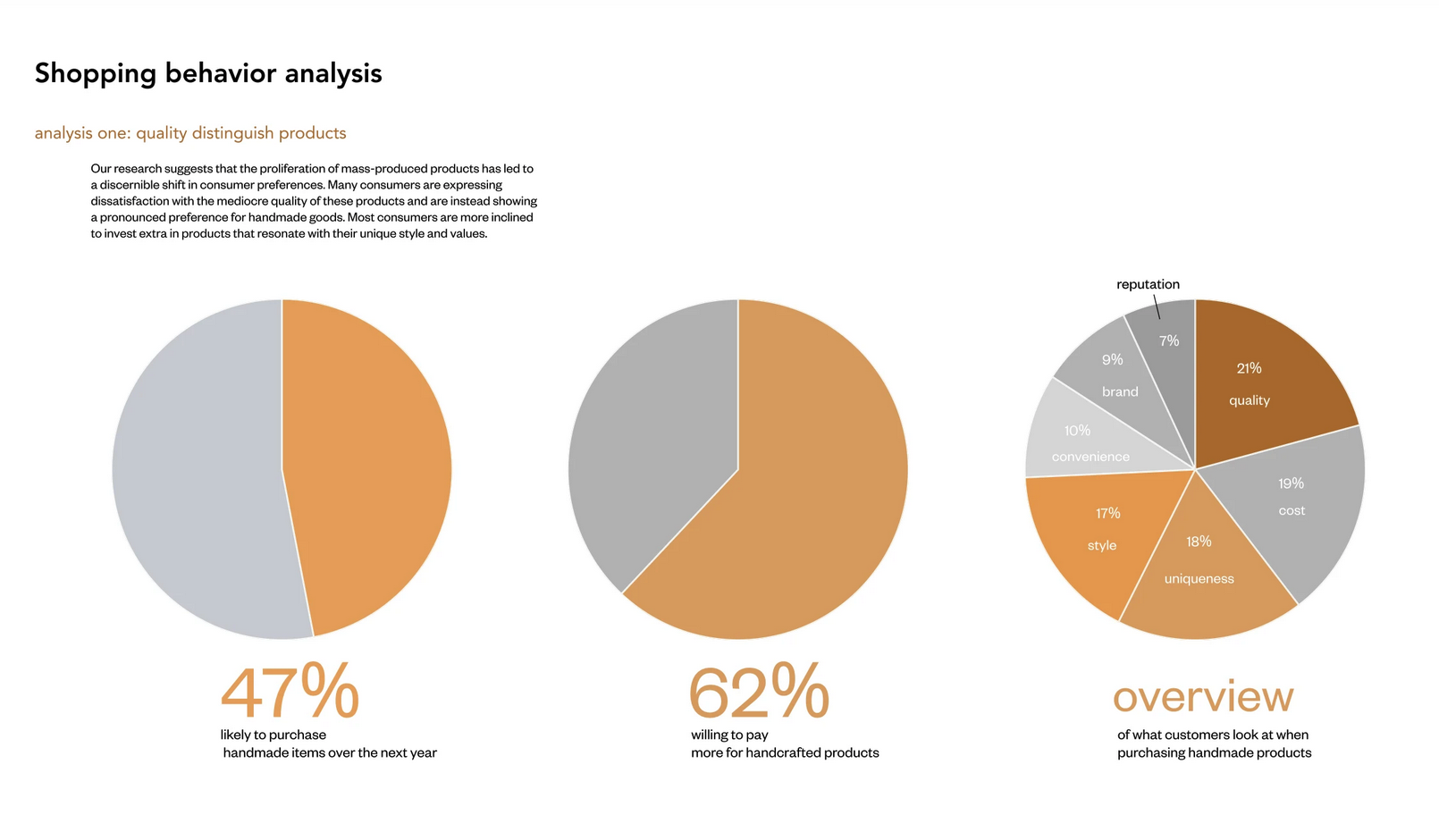
-market research-
Insights& Art Direction
Secondary research and a review of comparable shopping experiences helped me identify what customers needed to understand before committing to a premium product. I developed audience personas and visual research summaries to guide the work. Craftsmanship, materials and makers’ stories became the foundation of the art direction, supported by clear product information and a user flow that kept those details connected to the purchase decision.
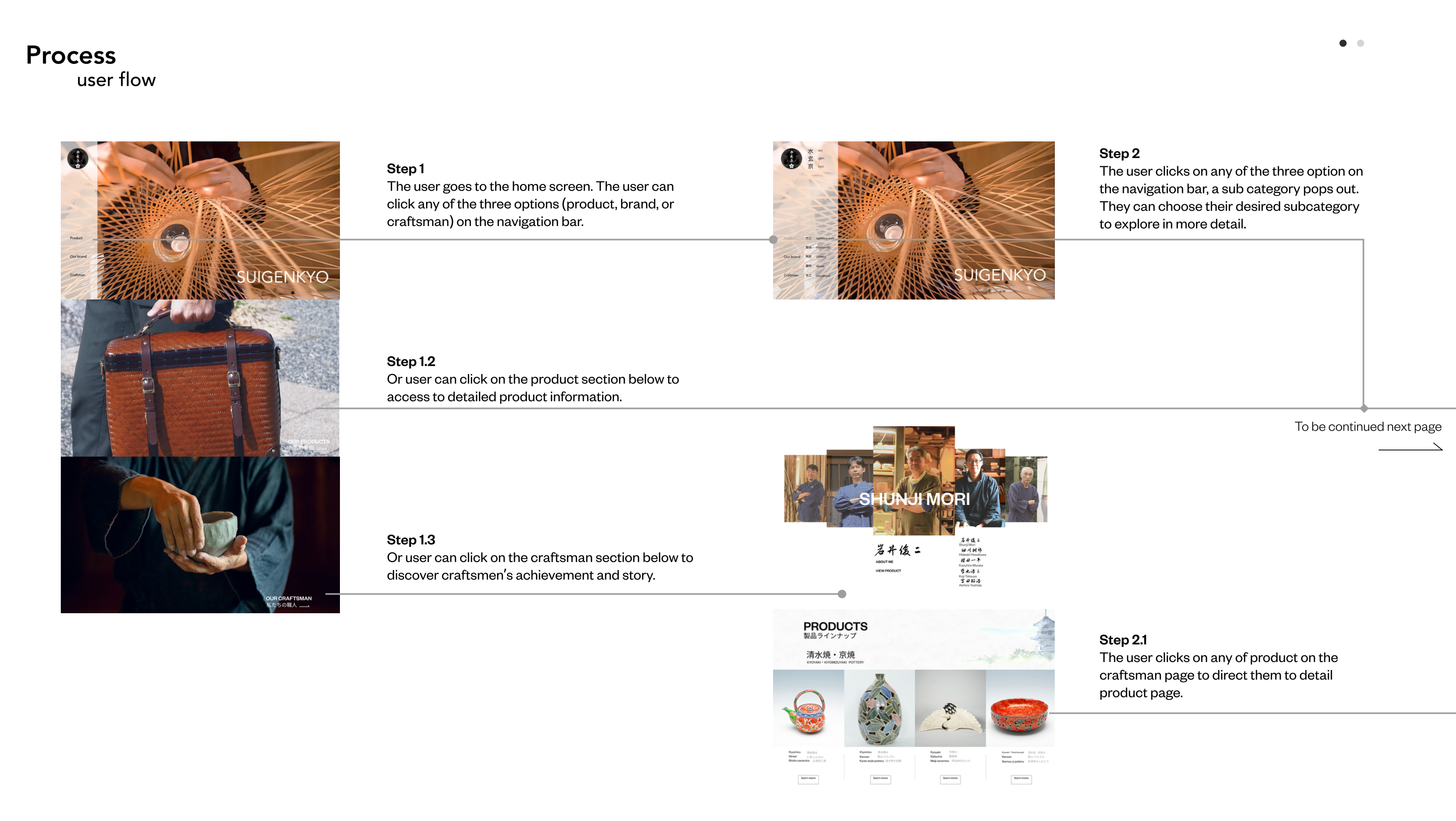
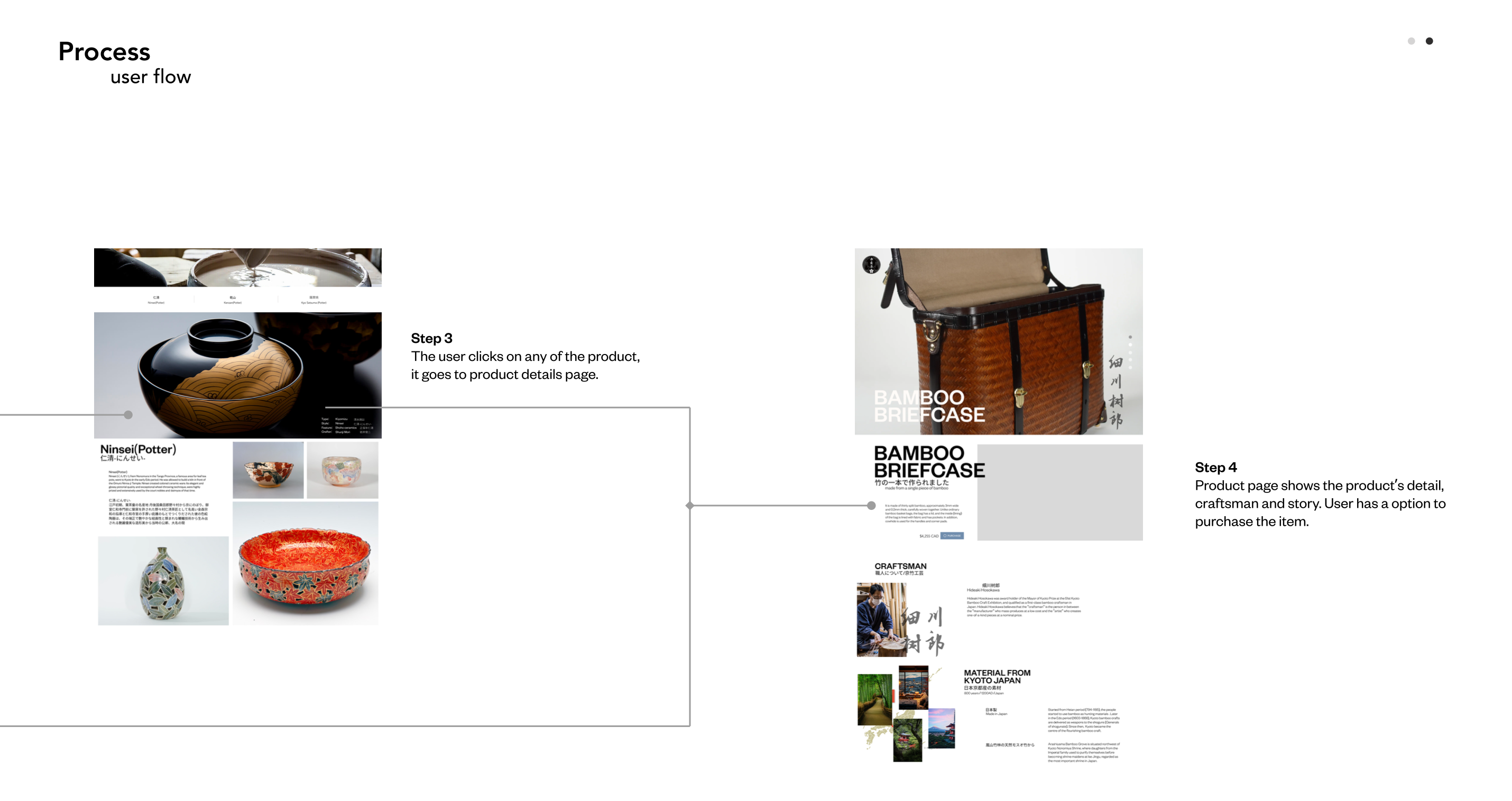
-user flow-
Prototyping
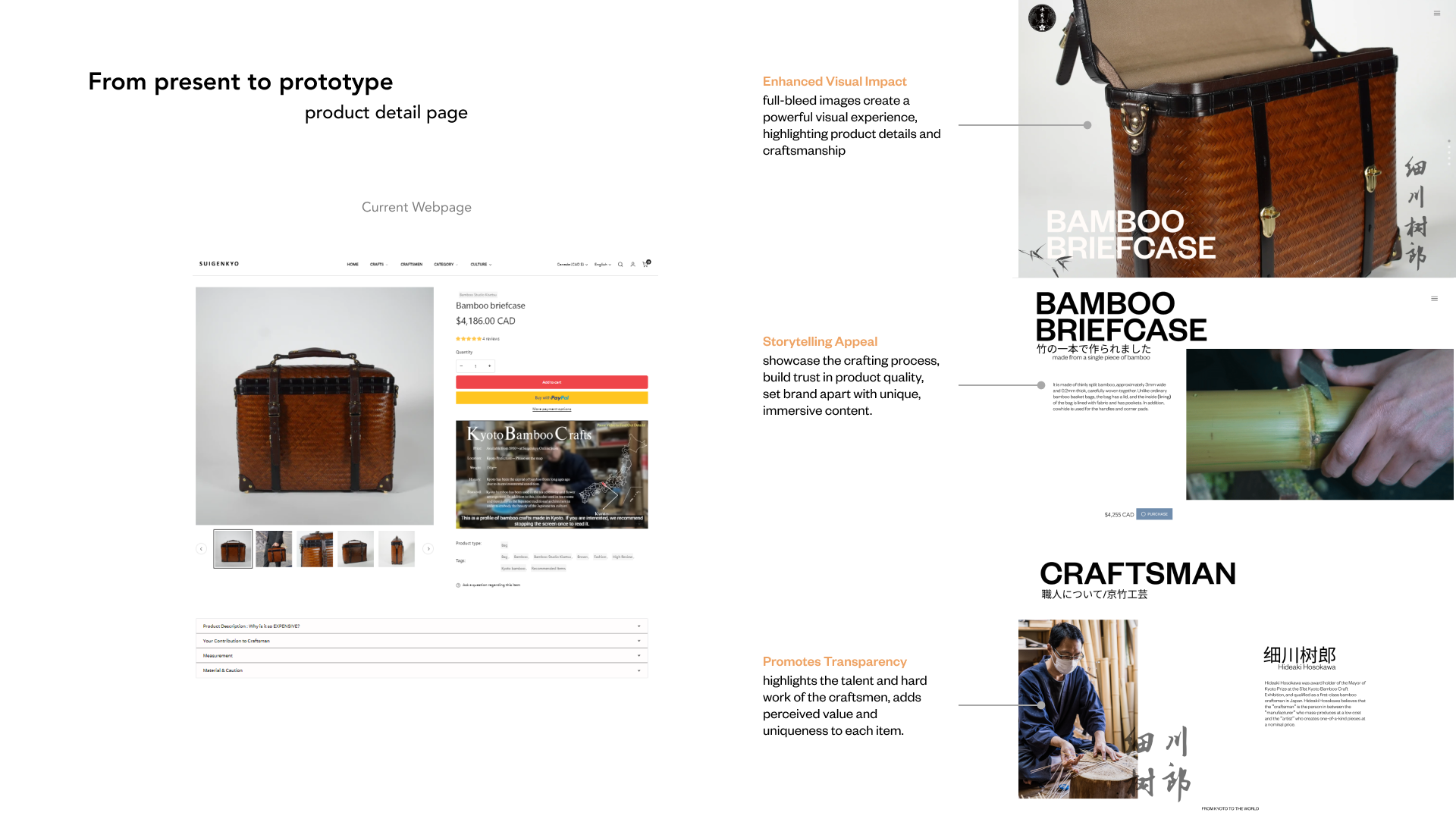
Once the direction was set, I moved into high-fidelity design. I created the full set of screens, defined the hierarchy, curated imagery, and designed how each interaction should behave. I also specified the visual principles and micro-interaction behaviour to ensure the interface felt intentional and easy to use, applying Hick's Law to reduce choice overload and support clearer decision-making during the purchase process.
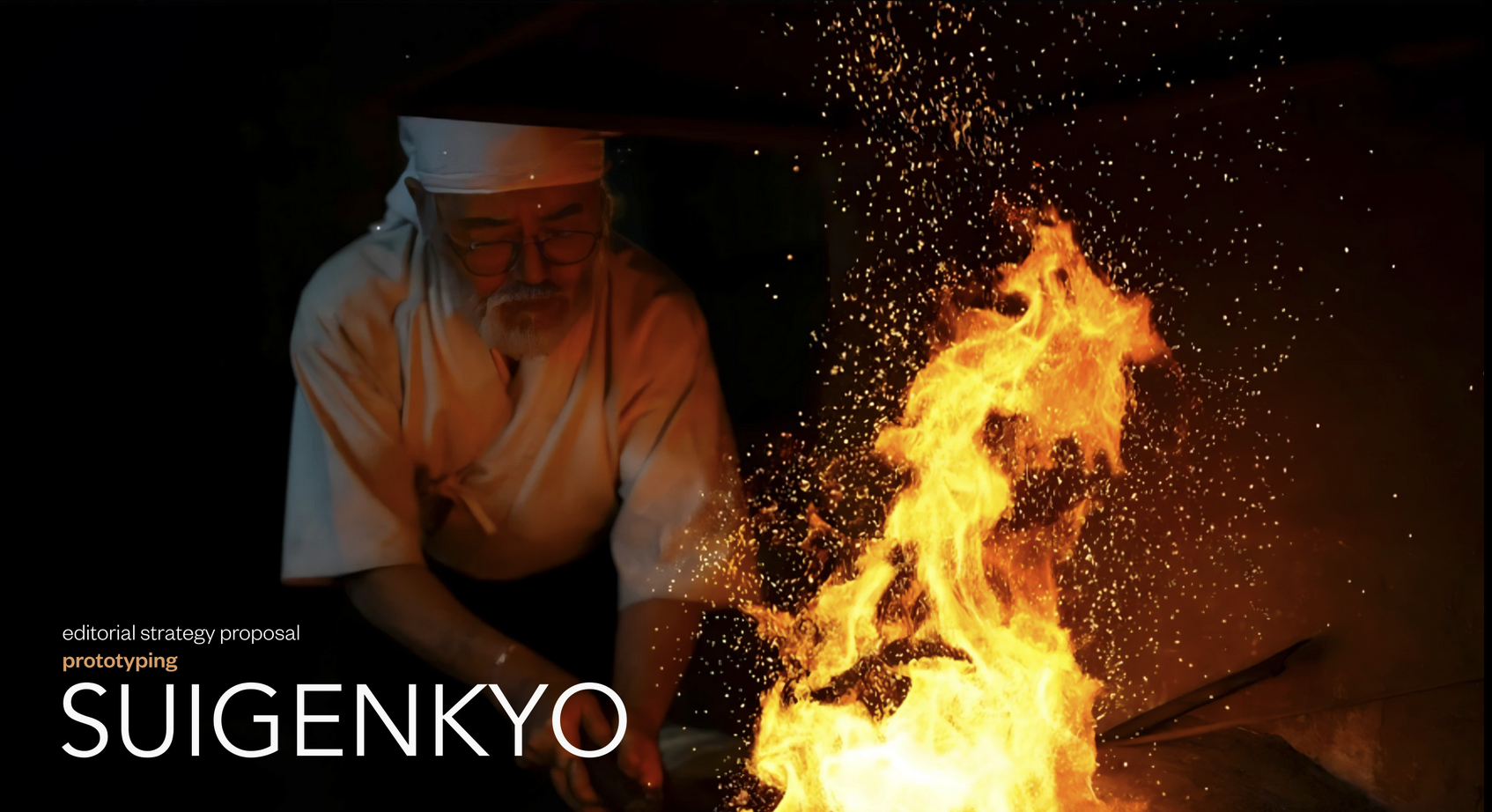
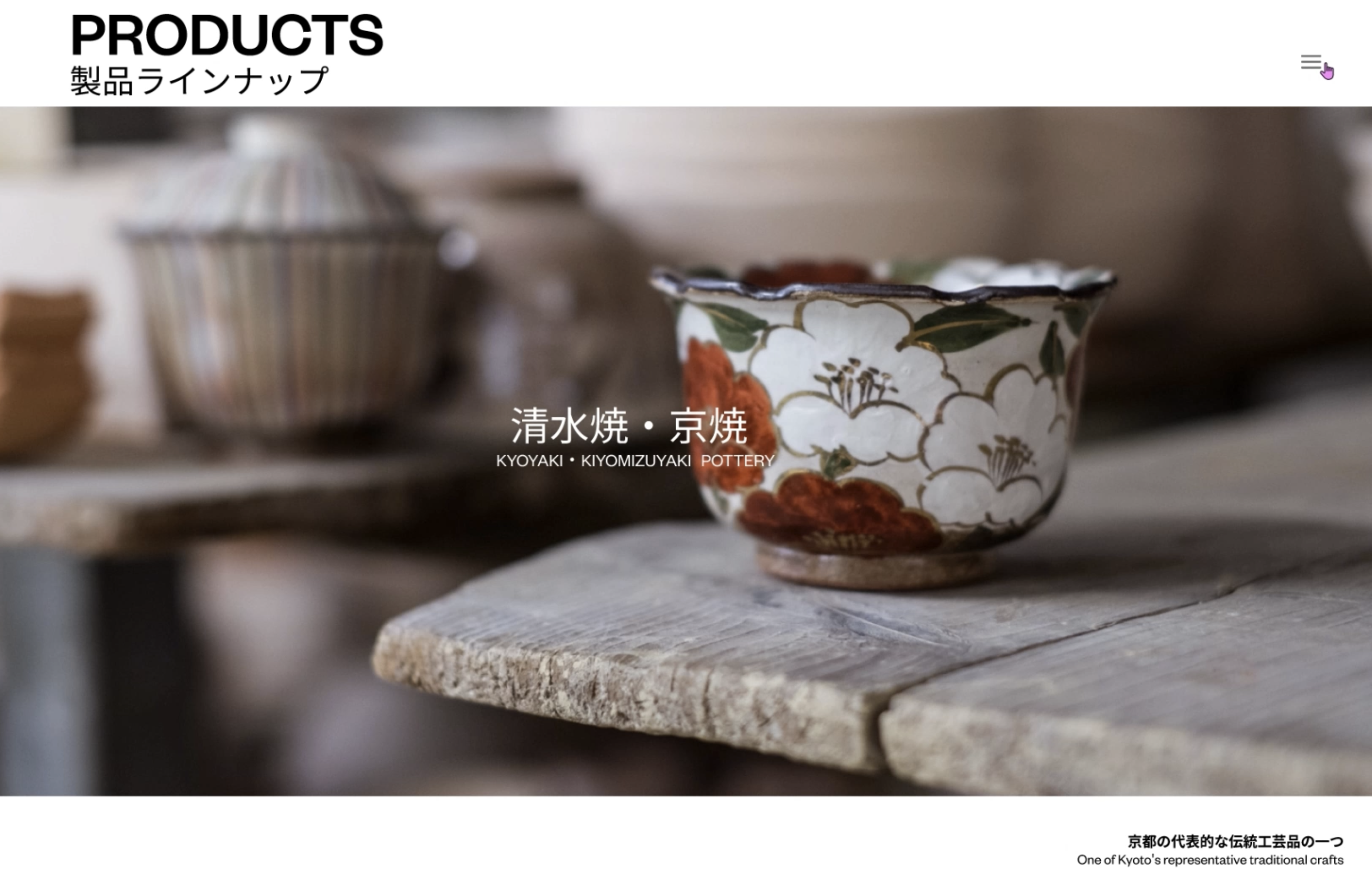
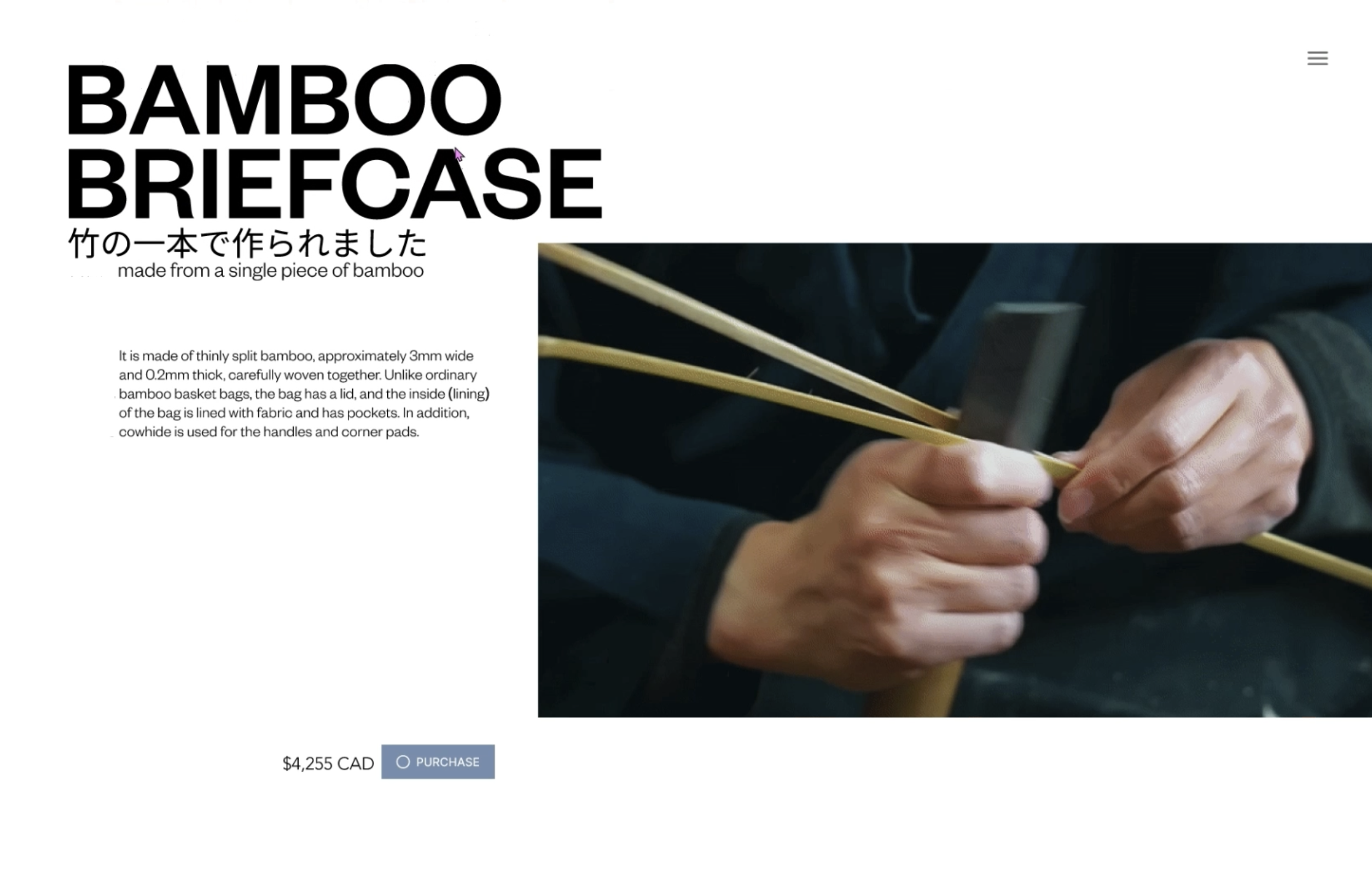
-new product page showcase & slide deck-
Final Design
I defined the visual direction, animation concepts and interaction behaviour, including timing, transitions and responses to user input. A teammate helped implement the interactions in Figma. I carried the design through to a complete high-fidelity interactive prototype and documented the rationale in a 30-page presentation, showing how the shopping journey could communicate premium value through craft and the people behind it.
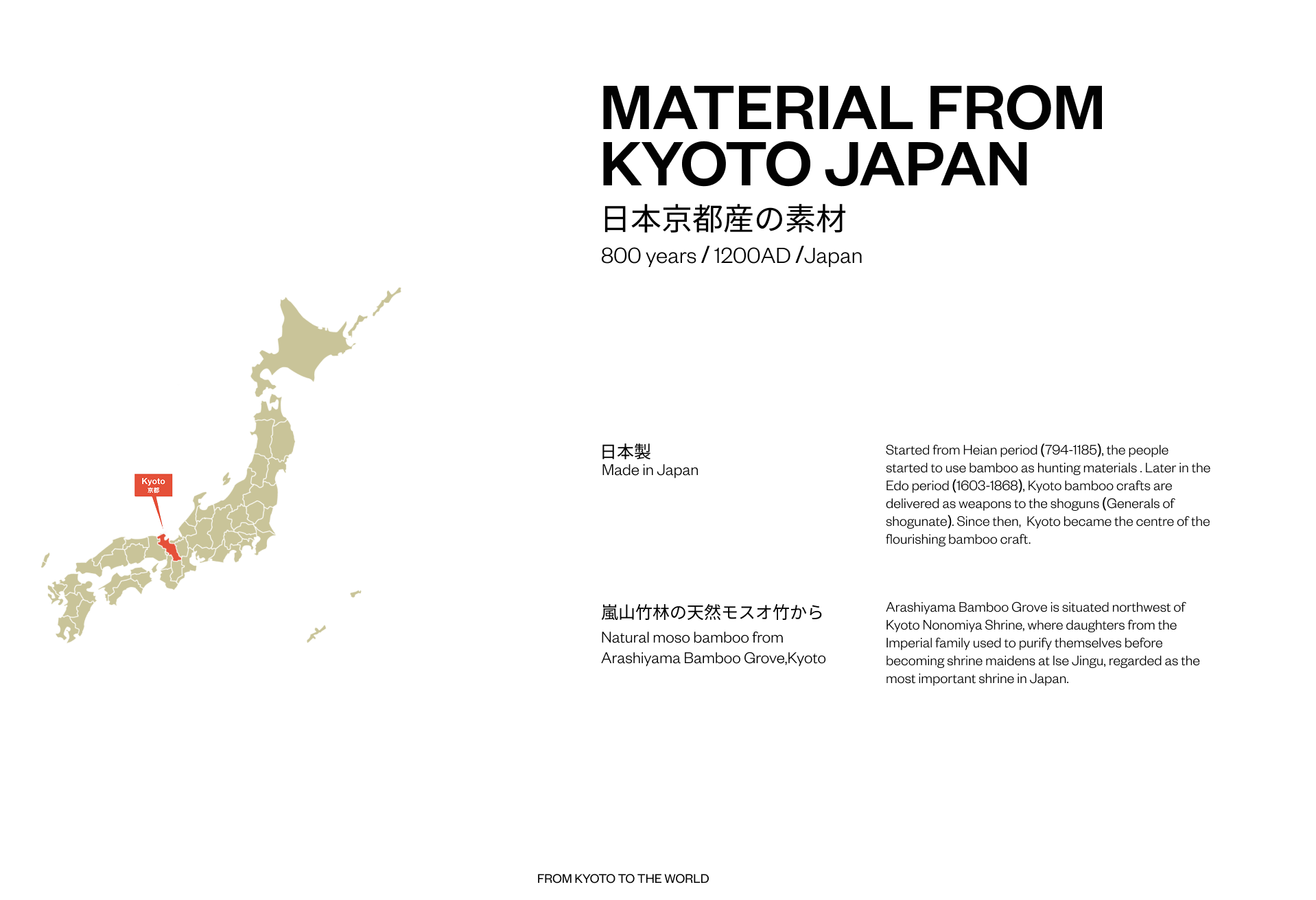
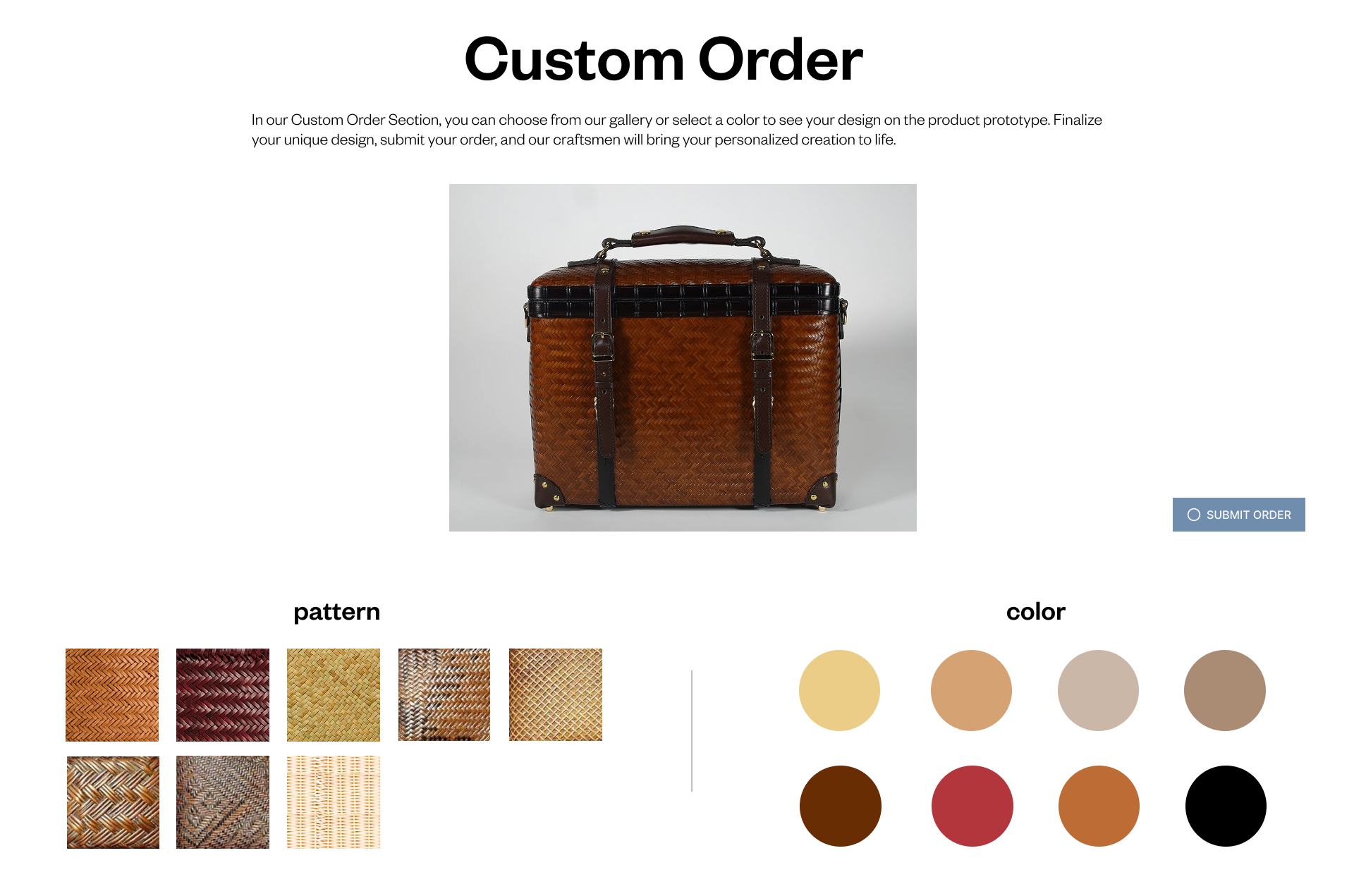
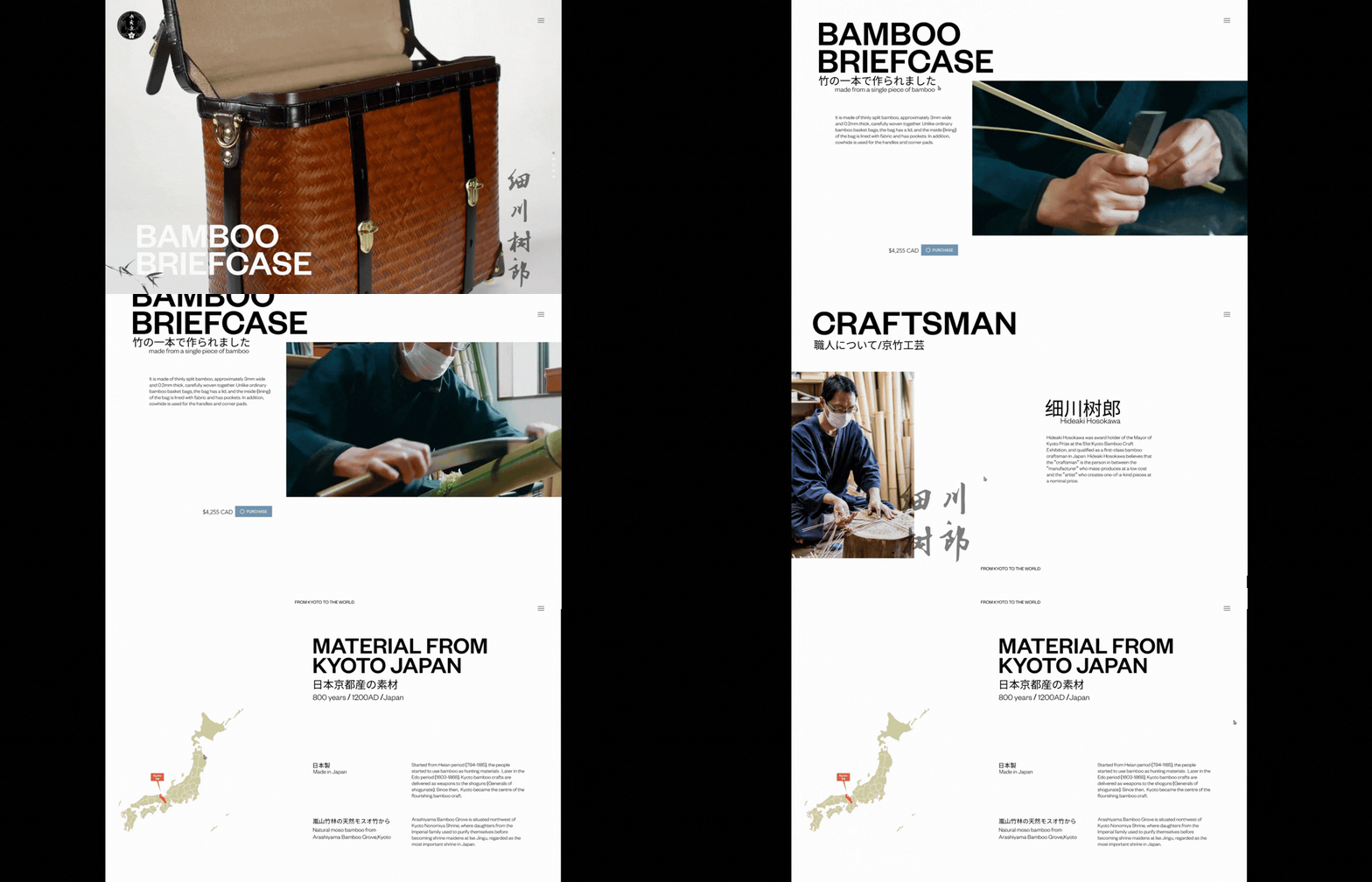
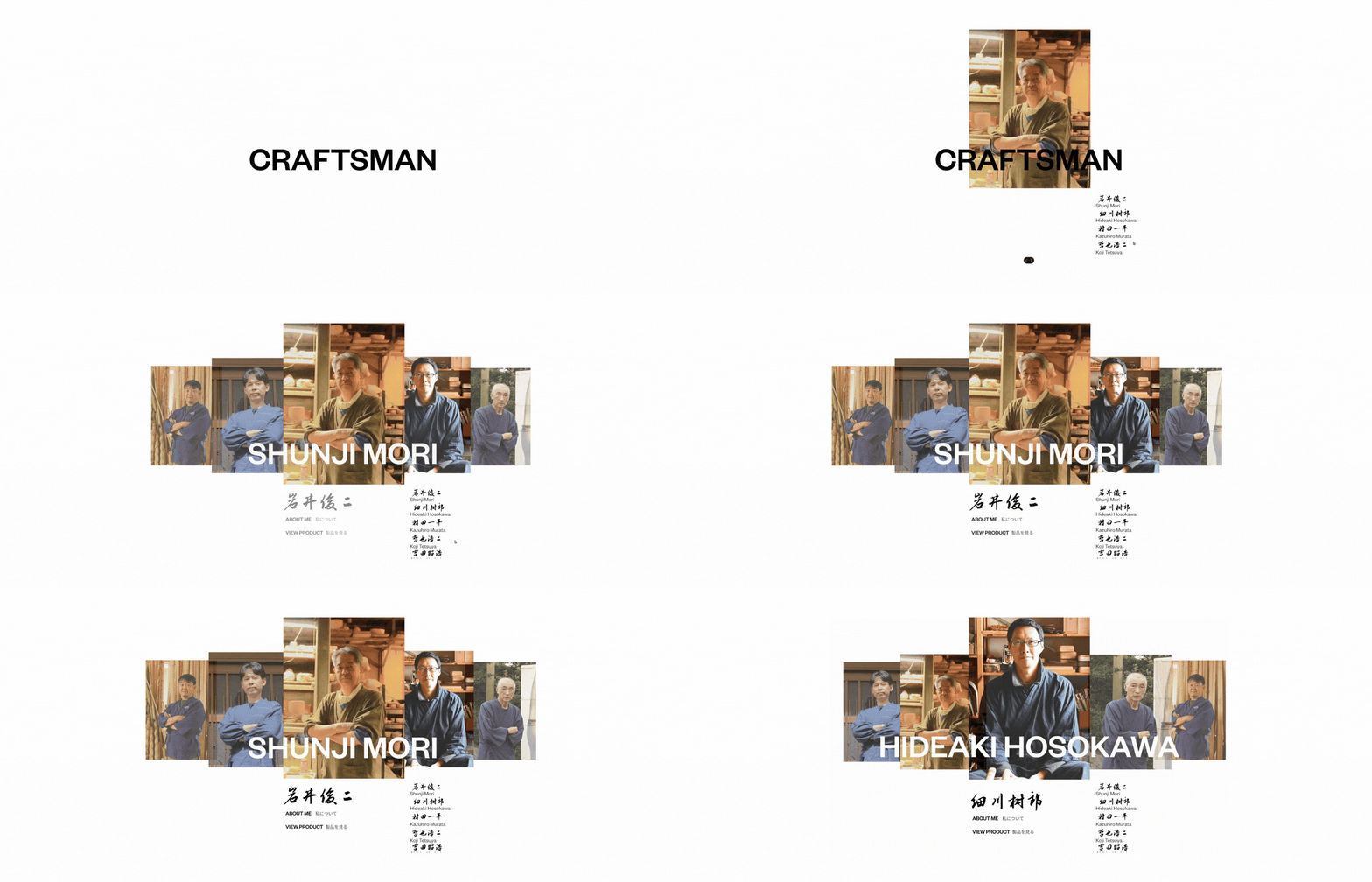
-Final product showcase-
Challenge
The central design decision was how to bring craft and storytelling into the shopping journey without making it harder to compare products. I considered where information about materials and makers would help a customer understand value, and where the interface needed to stay direct. User flows and wireframes helped me resolve that balance before developing the high-fidelity screens and animation concepts.
Reflection
This project strengthened my ability to research a retailer, define a focused problem space, and support insights with data rather than assumptions. I learned how to identify what drives consumer decisions and use charts and visual analysis to communicate those insights clearly. It also helped me become more intentional with interaction details — from animation timing and easing to color contrast and cognitive principles like Hick's Law and the Peak-End Rule — to shape emotion and reduce cognitive load. Looking ahead, I want to improve how I use multimedia and interactive elements to enhance storytelling, and explore more advanced motion design techniques to deepen the emotional impact of the experience.
Next Work